
Do Social Networks Have a Mind? A Peircean Reading
Tarcísio Cardoso, Priscila Borges
Trans/Form/Ação · DOI 10.1590/0101-3173.2024.v47.n2.e02400134

Tarcísio Cardoso
PhD

Priscila Borges
PhD
Abstract
Researchers explain the extent to which digital social networks are like organisms with behaviors of their own, like an autonomous being that has goals, akin to a social mind
Keywords: mind; Peirce; social network
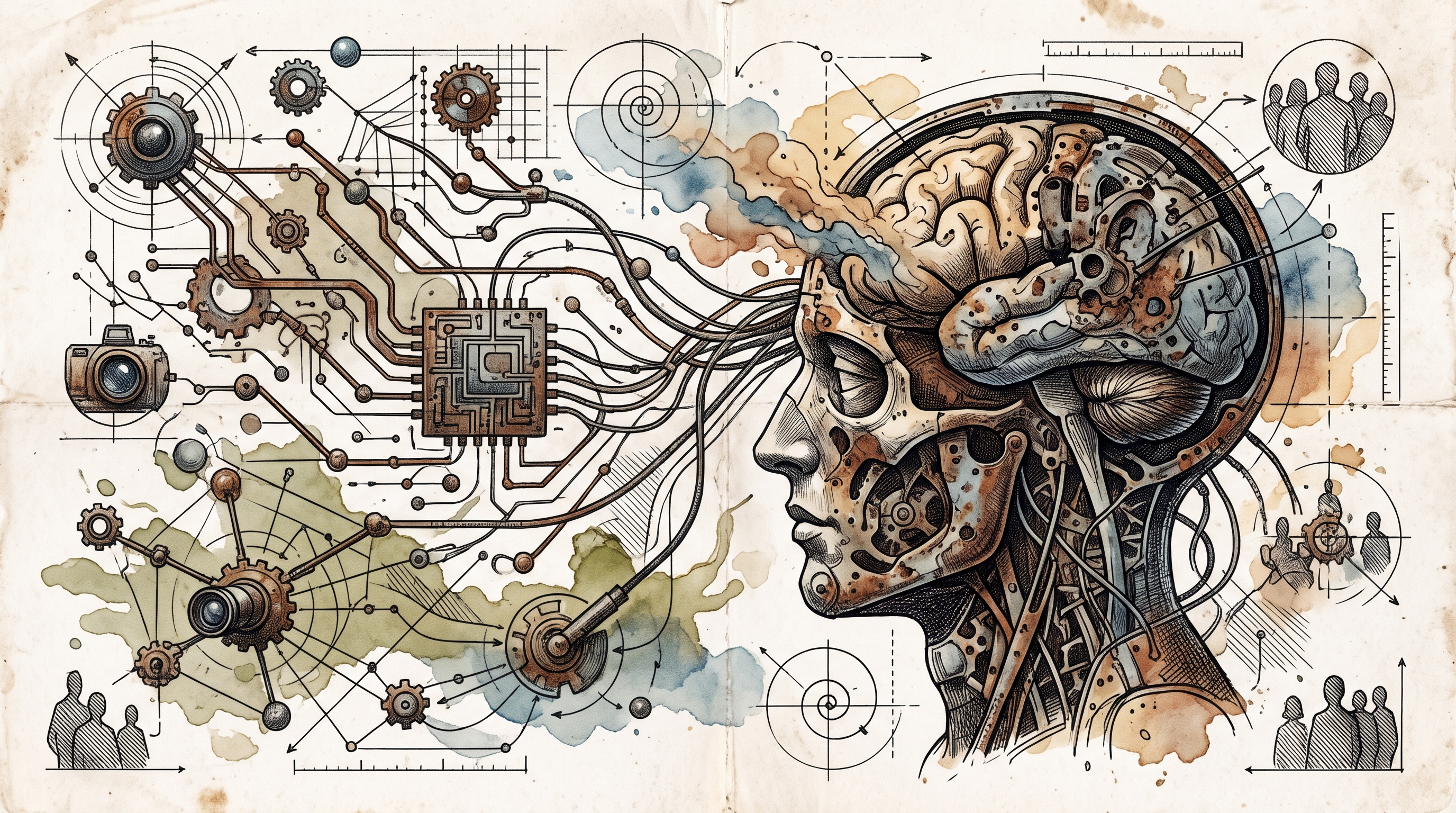
What if "mind" were not an exclusivity of human individuals? This is the kind of question that motivates Peirce to develop his contribution to the field of philosophy of mind. For him, mind is like a system of ideas that can be expressed in beliefs, that is, in a system that functions for an autonomous being that acts in the world, with direction and purpose. Thus, institutions and social groups can also be understood as minds, with their own habits and purposes. Likewise, animals also possess minds, habits, beliefs. Starting from this idea, Priscila Borges and Tarcísio Cardoso propose thinking of internet social media as a complex social mind, formed by individuals and their digital means — devices, algorithms, and platforms.
If social networks act to fix beliefs, what kind of beliefs are these? Peirce distinguished beliefs of vital importance, linked to practical action, from theoretical beliefs, oriented toward knowledge and truth. The article investigates whether these two categories are sufficient to understand the way digital platforms act, opening the way for new readings on the formation of beliefs online.
BORGES, P. M.; CARDOSO, T. S. Trans/Form/Ação, v. 47, n. 2, 2024. Access: https://doi.org/10.1590/0101-3173.2024.v47.n2.e02400134
Trans/Form/Ação